Moving a heavy load from a trailer to a rack involves more than lifting capacity: dock restraint, pallet condition, load centre, floor condition, visibility and rack height all affect the result. By the end, you will be able to map the loading-to-storage route, read a capacity plate, choose suitable equipment and identify the controls that prevent common handling failures.
Key takeaways
- Map every transfer point from trailer unloading to final storage.
- Verify load weight, attachment capacity, clearance and floor conditions before lifting.
- Control speed and visibility on ramps, docks, blind corners and shared routes.
- Choose diesel when outdoor, high-load duty cycles match your site support.
Map the load’s route from trailer to storage location
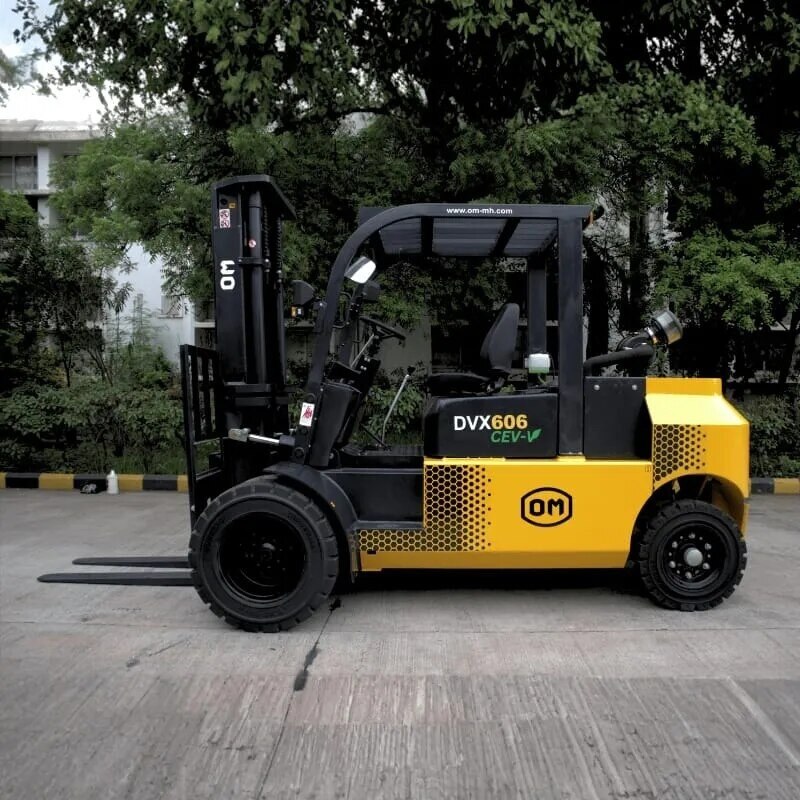
A diesel forklift moves a load in one handling chain: trailer, receiving area, staging point, travel route, rack approach and final storage position. That continuity is the practical value of diesel forklift material handling; transferring a heavy pallet between several machines adds time, traffic and damage points.
1. Secure the trailer before entry. Set the trailer brakes, chock the wheels or engage positive restraint, and inspect the dockboard for adequate capacity, secure placement and safe access. A shifting trailer or displaced dockboard can overturn a loaded truck.
2. Enter with the forks low and the load balanced. Drive straight across the dockboard, keep the mast tilted back enough to stabilise the load, and reverse out when the pallet is clear of the trailer.
3. Place the load in a receiving or staging area. Keep aisles, fire exits and pedestrian paths clear while the load waits for counting, inspection, labelling or production release.
4. Travel from staging to storage using the route that matches the truck’s dimensions. Diesel forklift uses often include outdoor yards, uneven surfaces and ramps, where pneumatic tyres and engine torque help maintain movement without changing equipment.
5. Approach the rack or floor position squarely, stop before the storage face, and raise the load only after alignment. Insert the forks fully, place the pallet without striking uprights, then withdraw straight and lower the forks before leaving.
The route fails if dock plates, aisle width, floor loading, turning radius or exhaust controls cannot support the truck. A diesel forklift does not make an unsuitable facility safe.
Match rated capacity, attachments and site conditions before lifting
A forklift is safe for a lift only when its data-plate rating covers the actual load at the required load centre, attachment and lift height—not merely because its headline capacity exceeds the load.
1. Weigh the load and record its dimensions, centre of gravity and stability. A load extending beyond the marked load centre increases the overturning moment and reduces allowable capacity.
2. Read the data plate for rated capacity, load-centre distance, maximum lift height and attachment information. Compare those figures with the planned rack position; capacity usually falls as height and load distance increase.
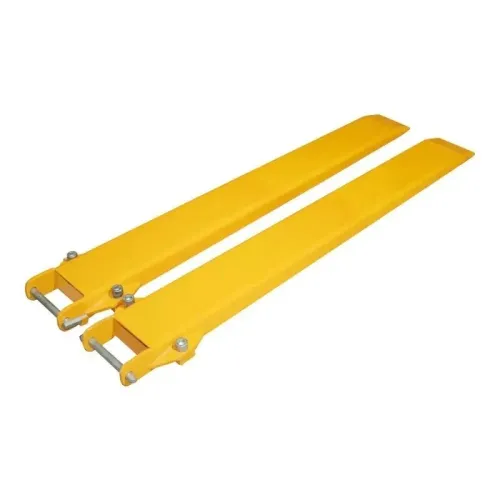
3. Include the attachment’s weight and effect on capacity. A clamp, rotator, fork extension or boom can reduce residual capacity, so use only an attachment approved by the truck manufacturer and check the marked combined rating.
4. Verify the route and loading point. The dockboard must support the loaded truck and load, remain secured against movement, and provide safe access. Set trailer brakes and chock the wheels before entry.
5. Check aisle width, turning radius, floor loading, ramps, overhead clearance and rack rating. If the load blocks forward vision, drive with the load trailing unless the grade or another condition requires load-forward travel; separate pedestrians and use a spotter where visibility remains restricted.
6. Confirm the storage position can accept the load without forcing an overreach or unstable placement. The strongest heavy duty forklift benefits disappear when the site cannot support its dimensions.
Diesel forklift benefits for material handling include one continuous truck cycle from trailer to outdoor staging and storage, but only when the route supports diesel operation.
Control travel on ramps, docks, blind corners and crowded routes
Keep the load low, tilted back and centred before the truck leaves receiving. That basic discipline keeps heavy material stable during diesel forklift operation, but route control matters just as much as lifting capacity.
- At a dock, confirm the trailer brakes are set and wheels are chocked, or that an equivalent positive restraint is engaged, before entry.
- Check that the dockboard is rated for the loaded forklift and load, secured against movement, and fitted with safe access.
- On grades steeper than 10%, drive a loaded truck with the load upgrade. Drive an unloaded truck with the forks downgrade.
- Approach blind corners slowly, stop where visibility ends, sound the horn, and proceed only after the path is clear.
- On crowded routes, separate pedestrians from the travel lane, obey the site speed limit, and stop if a person, vehicle or obstruction enters your path.
- Reverse when the load blocks forward visibility, but keep looking in the direction of travel and use a spotter where the route cannot be seen clearly.
Do not let engine torque justify speed on a ramp, uneven yard or turning approach. Slow before turning, avoid sudden braking, and keep the load inside the forklift’s stability envelope; a heavy diesel truck can still tip if its load shifts or the surface cannot support its tyres.
Indoor travel also requires ventilation that prevents hazardous carbon-monoxide and other exhaust concentrations.
Choose diesel when the duty cycle and worksite support it
Choose diesel when the truck will spend long shifts moving heavy loads outdoors, where refuelling takes minutes and no charging bay or spare battery is available. These are the main diesel forklift benefits for material handling: continuous operation, strong performance on ramps, and fewer transfers between yard, trailer and production area.
Torque does not correct an undersized truck, overloaded attachment or unsuitable floor.
| Powertrain | Throughput advantage | Disqualifying trade-off |
|---|---|---|
| Diesel with pneumatic tyres | Sustains intensive yard, trailer and ramp work; pneumatic tyres handle gravel, debris and uneven ground | Exhaust, noise, fuel storage and engine maintenance; requires outdoor ventilation and sufficient turning space |
| Diesel with cushion tyres | Handles heavy loads on smooth concrete with tighter manoeuvring | Cushion tyres lose traction or suffer damage on rough yards; exhaust remains a concern indoors |
| Electric forklift | Quiet, zero tailpipe emissions and suitable for enclosed warehouses, food areas and strict indoor-air limits | Charging time, battery changes and charging-bay capacity can interrupt continuous cycles |
| LPG forklift | Refuels quickly while producing less visible smoke than diesel | Still creates exhaust and noise, so it does not remove indoor-air or ventilation controls |
The strongest heavy duty forklift benefits disappear if dock plates, aisles, racks, floor loading or exhaust controls cannot support the truck. Check the data plate, turning radius, tyre type and lift height before choosing diesel.
When VIMALNX EQUIPMENTS PVT LTD compares a diesel and electric option, ask for a duty-cycle estimate that includes refuelling or charging time, indoor exposure, tyre replacement and the route’s surface condition.
Related product
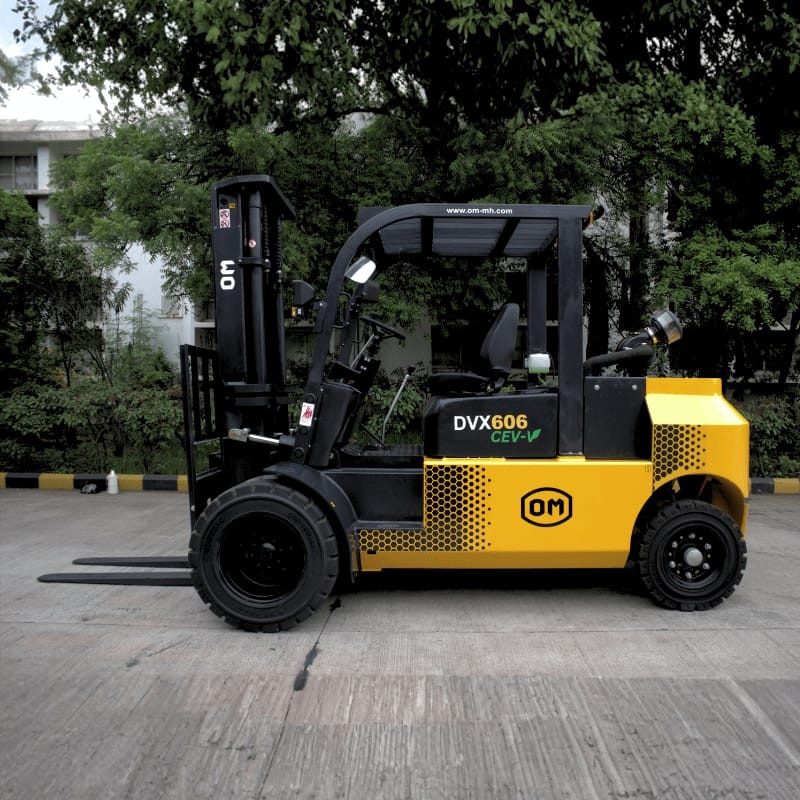 | Forklift ₹970000 The Diesel Forklift is a heavy-duty material handling machine engineered to lift, move, and transport heavy loads in outdoor and industrial... View product → |
Use inspections, training and maintenance to keep the handling chain moving
Reliability comes from a closed control loop: inspect the truck before work, train the operator for the truck and site, and remove defects before the next load. That discipline keeps diesel forklift material handling moving through unloading, staging, transfer and put-away instead of turning one fault into a dock delay or dropped load.
Run these controls on every shift:
- Inspect forks, mast, chains, tyres, horn, lights, brakes, steering, seat belt, fluid levels, leaks and the data plate before starting. A cracked fork, loose chain or failed brake takes the truck out of service until repaired.
- Check the diesel engine for oil, coolant, fuel leaks, damaged exhaust components and unusual smoke. Keep a truck with an exhaust leak away from enclosed work areas.
- Authorise operators who have completed truck- and site-specific training and evaluation under OSHA 1910.178. Retrain after a collision, near miss, unsafe operation, a different truck or a changed workplace.
- Record defects, repairs, operating hours and recurring faults. A clear handover prevents the next shift from assuming that an unresolved warning is harmless.
Follow the manufacturer’s service schedule for oil and filter changes, cooling-system checks, brake adjustment, tyre inspection, mast lubrication and emissions-system work. During diesel forklift operation, verify building ventilation and air-quality controls; mechanical lifting capability does not make a truck suitable for an enclosed warehouse.
Keep inspection, training and maintenance records available for audits and incident reviews.
Frequently asked questions
How should you map a load’s route from trailer to storage?
Trace the complete path through receiving, staging, travel lanes, rack approach and the final storage position. Mark turns, bottlenecks, dock edges, ramps and pedestrian crossings before moving the load.
How do you match a diesel forklift to the load and site?
Check the load’s weight, dimensions, centre of gravity and attachment needs against the forklift’s rated capacity. Confirm floor strength, aisle width, overhead clearance, ramp grade and operating surface conditions.
How do you control diesel forklift travel on difficult routes?
Reduce speed on ramps, docks and blind corners, maintain clear sightlines, use a spotter when visibility is restricted and separate forklift traffic from pedestrians where possible.
When is a diesel forklift the right choice?
Diesel suits heavy, frequent outdoor handling when the duty cycle demands sustained load movement and the site supports refuelling, ventilation, emissions control and routine maintenance.
Keywords