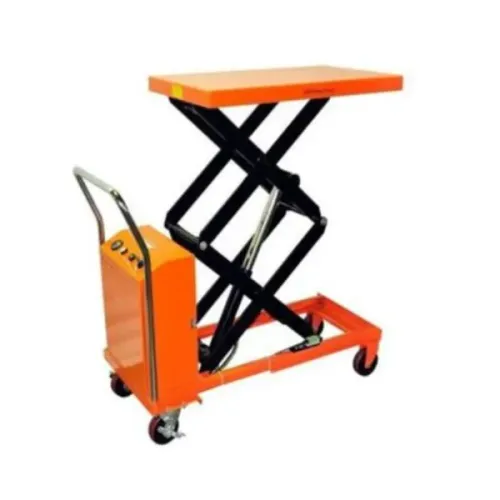

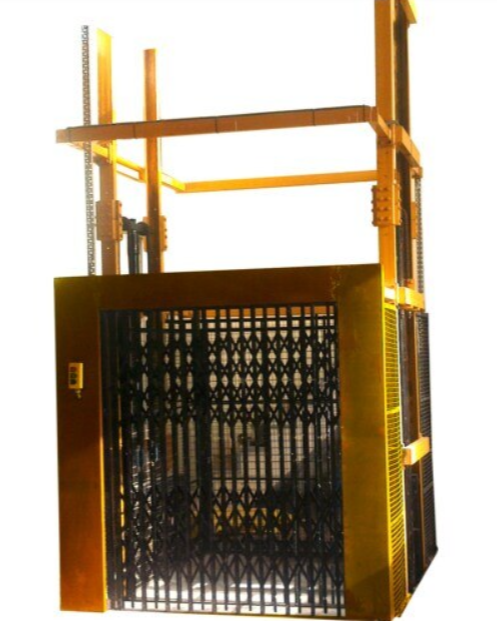
A hydraulic lift can solve vertical material movement problems between working levels, loading positions, platforms, or specific industrial processes. But equipment that is appropriate for one facility may not suit another simply because the required load capacity appears similar.
When selecting a Dual Mast Hydraulic Lift Supplier, industrial buyers should evaluate stability, working height, platform requirements, operating environment, controls, maintenance support, and the intended lifting cycle.
Define Exactly What Needs to Be Lifted
Begin with the load.
Is the equipment expected to handle packaged material, components, tools, maintenance items, or another industrial load? What is the maximum weight, and how large is the load footprint?
The platform should accommodate the load without creating an impractical arrangement.
Where loads vary, provide both typical and maximum dimensions rather than specifying only the heaviest item.
Confirm the Required Height
Buyers should distinguish between overall equipment height, platform height, working height, and the actual vertical travel required for the application.
Incorrect assumptions at this stage can lead to unsuitable specifications.
Measure the starting and destination levels and identify overhead restrictions such as beams, ducts, electrical services, or other structures.
Understand Why Mast Configuration Matters
A dual-mast arrangement can provide structural support for particular lifting configurations, but equipment selection should be based on engineering and application requirements rather than mast count alone.
The manufacturer should understand load distribution, platform dimensions, required travel, operating frequency, and site conditions before determining an appropriate configuration.
Review the Operating Area
Factories in Pune often contain machinery, storage areas, utility lines, pedestrian routes, and vehicle movement within the same building.
The lift should therefore be evaluated within its surroundings.
Check:
- Available installation footprint
- Access to the loading position
- Floor condition
- Overhead clearance
- Nearby equipment
- Pedestrian movement
- Material approach direction
- Maintenance access
A site drawing can make these discussions considerably easier.
Evaluate Controls and Operation
Industrial buyers should understand how the lift will be controlled and how operators interact with it.
Control arrangement, stopping positions, emergency provisions, guarding where applicable, and other operating features should be discussed according to the intended application and relevant requirements.
Employees responsible for operating the equipment should also receive suitable instructions.
Ask About Maintenance Before Purchase
Maintenance accessibility can have a direct effect on long-term equipment usability.
Ask which components require periodic inspection, how routine maintenance is performed, which consumable or wear components may need replacement, and what documentation accompanies the equipment.
A procurement decision based entirely on initial price can overlook these lifecycle considerations.
Compare Suppliers on Technical Clarity
VIMALNX EQUIPMENTS PVT LTD provides material handling equipment solutions for industrial applications in Pune, Maharashtra. Whether evaluating this provider or comparing multiple technical proposals, procurement teams should use a consistent requirement sheet.
Compare suppliers on:
- Understanding of the application
- Proposed capacity and dimensions
- Lift height and travel
- Structural configuration
- Controls and operational features
- Installation requirements
- Maintenance considerations
- Documentation and technical support
This produces a more useful comparison than looking only at quoted price.
Know When Your Facility Is Ready
A facility is ready to request a detailed proposal when the load, dimensions, lifting height, frequency, available footprint, and operating conditions are known.
If these details remain uncertain, an initial site assessment can prevent repeated specification changes.
For procurement managers and factory owners in Pune, a dual mast hydraulic lift should be treated as part of the material movement process. Clear application data enables the supplier to propose equipment around actual operating requirements and gives the buyer a stronger basis for technical and commercial evaluation.